
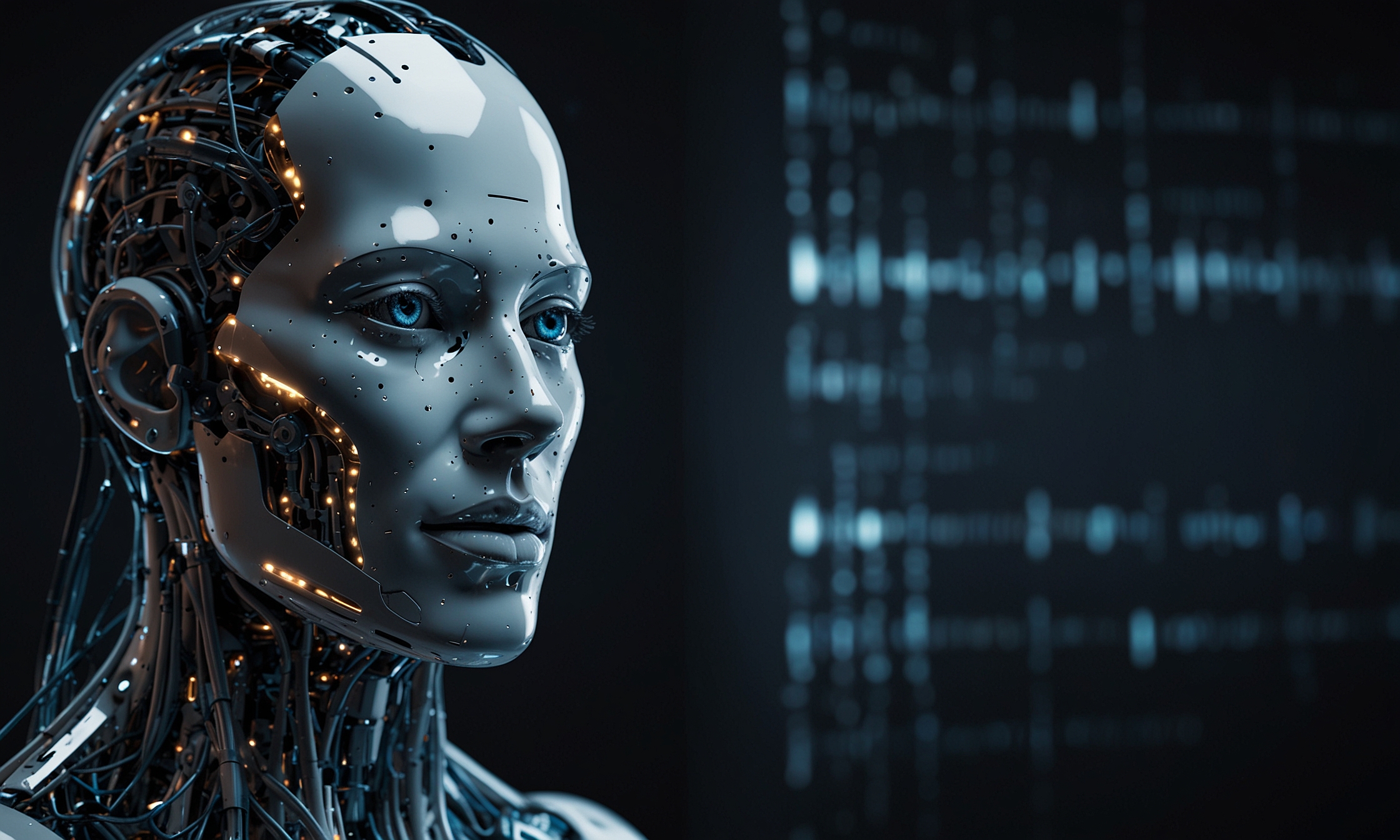
AI in Cybersecurity: The Next Battlefield in Liverpool
As we advance into 2025, the city of Liverpool, like many urban centers worldwide, is confronting a rapidly evolving cybersecurity landscape where artificial intelligence (AI) is increasingly becoming the main battleground. For small business owners, developers, and all general readers invested in safeguarding their digital assets, understanding how AI in Cybersecurity: The Next Battlefield is reshaping threat detection and defense mechanisms is critical. Liverpool’s growing small business community, often resource-constrained, faces unique challenges in integrating AI-driven solutions, yet also stands to gain substantially by adopting these emerging technologies.
The stakes could not be higher. Cybercriminals have leveraged AI tools to automate and scale their attacks, enhancing the sophistication of ransomware, phishing, and supply chain intrusions. Conversely, businesses now have access to AI-powered cybersecurity platforms that analyze threat patterns continuously, adapt to new vulnerabilities, and respond instantly—virtually creating a defensive force multiplier. This dynamic conflict, right in the heart of Liverpool’s tech ecosystem, demands a strategic approach that leverages AI to stay ahead.
For small enterprises, the transition towards AI-assisted security measures may seem daunting. However, embracing AI can mean moving from reactive incident responses to proactive threat hunting, minimizing downtime, and protecting valuable customer data. Liverpool’s small businesses, despite limited cybersecurity expertise, can benefit from partnering with managed service providers or adopting automated security tools tailored to their scale.
As you read through this blog, we’ll explore not only the local relevance of AI in cybersecurity but also key Cybersecurity Trends for 2025 that every business in Liverpool should be aware of. Learning to navigate this complex field is no longer optional—it’s essential to survive and thrive in a digitally driven economy.
AI in Cybersecurity: The Next Battlefield in Liverpool, NY
Liverpool, New York, a city marked by vibrant commerce and technological adoption, is witnessing firsthand the transformation ushered in by AI-powered cybersecurity solutions. For small businesses in Liverpool, NY, this changing landscape symbolizes both opportunities and risks. As adversaries harness greater computing power and intelligence to execute cyberattacks more efficiently, local enterprises must respond with equal sophistication.
The emergence of Machine Learning Cybersecurity technologies tailored to small- and medium-sized businesses (SMBs) has drastically improved detection capabilities. Machine learning enables security tools to recognize subtle indicators of compromise by learning from historical data and evolving anomalies daily. Liverpool, NY’s business community is starting to see the benefits of such innovation—automated threat intelligence reduces the burden on limited IT resources and accelerates response times.
Yet, the challenges remain pronounced. Small businesses in Liverpool, NY often handle their cybersecurity internally, lacking specialized personnel and the budget for extensive protective infrastructure. The gap between burgeoning cyber threats and business preparedness can be perilous. This scenario underscores the necessity of proactive investments in AI-driven security frameworks and education on emerging risks. Controlled deployment of AI tools, combined with informed human oversight, forms the bedrock of resilient cybersecurity in Liverpool, NY.
Additionally, local businesses are encouraged to explore the advantages of platforms such as Machine Learning Cybersecurity, which enhance identity management and threat detection seamlessly. As 2025 unfolds, Liverpool, NY’s cybersecurity posture will likely hinge on how rapidly businesses integrate these AI capabilities into their defense strategies.
AI Cybersecurity Trends in Liverpool, New York State: What to Expect in 2025
Focusing on Liverpool within New York State offers a distinct vantage point on Cybersecurity Trends for 2025. This region’s SMBs are part of a larger state ecosystem grappling with increased AI-driven cyber warfare. Adoption of AI technologies, such as those from SENTINELONE AI Cybersecurity, is redefining the state-wide cybersecurity landscape by providing automated threat detection and endpoint protection at unprecedented scales.
The future is clear: the intersection of AI, cybersecurity, and business operations is not a niche but a mainstream necessity throughout New York State. Liverpool-based companies will need to prioritize secure, scalable solutions that respond to emerging threats faster than ever before. The speed and complexity of AI-enhanced cyberattacks demand an agile defense infrastructure—an infrastructure often built on the latest trends like behavioral analytics, real-time threat intelligence, and zero-trust architectures.
Furthermore, these trends underscore the importance of comprehensive strategies, including employee awareness, secure network designs, and regular vulnerability assessments. For Liverpool and the broader New York State business community, this means integrating AI cybersecurity tools while retaining the human element—expert judgment, incident response, and policy enforcement—to bolster organizational resilience.
Incorporating the best practices seen in the latest AI in Cybersecurity: The Next Battlefield analysis can help businesses navigate the increasingly complex threat ecosystem expected to dominate 2025.
The Rise of Machine Learning Cybersecurity: Advantages for Small Businesses
Machine learning (ML) has moved beyond a theoretical concept to become a powerful enabler in cybersecurity, particularly for small businesses contending with limited resources. Unlike traditional rules-based security systems that rely on predefined signatures or manual updates, ML-powered tools automatically learn from vast datasets, identifying anomalies and predicting potential cyber threats with remarkable accuracy.
For small business owners, this means gaining access to robust defenses that continuously improve without demanding large cybersecurity teams. ML algorithms monitor network traffic patterns, user behaviors, and endpoint activities in real-time, detecting subtle signals that could indicate phishing attempts, malware intrusions, or insider threats.
One major advantage is ML’s ability to reduce false positives, a common challenge in cybersecurity that can desensitize response teams or cause critical threats to be overlooked. By distinguishing legitimate activity from malicious incidents, ML-centric solutions streamline incident prioritization and enable faster mitigation.
A key to successful adoption is accessibility. Cloud-based ML cybersecurity services allow businesses to implement advanced protection without hefty upfront investments in hardware or software management. Moreover, automated ML-driven incident response tools can neutralize threats in seconds, minimizing damage and downtime.
However, despite these benefits, small businesses must exercise caution. ML systems require quality training data and periodic human oversight to avoid biases or blind spots. Furthermore, cybercriminals are also exploring ways to exploit or deceive ML models, which necessitates a combined human-AI approach to cybersecurity defense.
Understanding AI-Driven Cyber Threats: Challenges and Responses in 2025
As AI empowers defenders, it simultaneously equips attackers with more sophisticated tools, making the cyber battlefield highly dynamic. AI-driven cyber threats in 2025 span diverse tactics:
- AI-enhanced phishing campaigns that craft highly personalized lures with natural language generation.
- Automated vulnerability scanning and exploitation to rapidly identify and attack system weaknesses.
- Creation of deepfake content to manipulate social engineering and fraud schemes.
- Adaptive malware that learns from detection attempts to evolve stealth techniques.
These new threat vectors create unprecedented challenges for small businesses lacking professional cybersecurity teams. Effective responses typically involve adopting AI-powered defenses capable of real-time threat analysis and automated containment.
One notable example is the deployment of behavioral analytics that profile normal user and device activities. Any deviation triggers immediate alerts and containment protocols, reducing attacker dwell time. Coupled with endpoint detection and response (EDR) systems infused with AI, small businesses can stop threats before they escalate, despite limited human resources.
Equally important is fostering a security-aware culture, as AI-generated scams often prey on human vulnerabilities. Employee training programs focused on recognizing AI-enhanced phishing and social engineering attempts can drastically reduce success rates of attacks.
Investment in cybersecurity insurance tailored to AI-related risks also provides a financial safety net. As threats evolve, businesses must keep policies updated to cover breaches and disruptions caused by AI-powered attacks.
Why SENTINELONE AI Cybersecurity is a Game-Changer for SMBs
Among the leading AI cybersecurity platforms stands SENTINELONE, recognized for combining advanced AI-driven threat detection with simplicity and scalability ideal for small and medium-sized businesses. SENTINELONE AI Cybersecurity offers autonomous endpoint protection by integrating real-time AI analytics, behavioral AI, and automated remediation functions into a singular platform.
This technology stands out due to its capability to detect known, unknown, and fileless attacks without relying solely on signature databases. The platform’s machine learning models analyze behavioral indicators to identify malicious processes, enabling it to preemptively block advanced threats such as ransomware or zero-day exploits.
For SMBs, this translates to:
- Lower operational overhead with less dependence on 24/7 monitoring by human analysts.
- Faster incident response times through autonomous threat neutralization.
- Improved compliance with industry regulations due to thorough activity recording and audit trails.
- Flexible deployment on-premises, in the cloud, or hybrid environments.
By utilizing platforms like SENTINELONE AI Cybersecurity, Liverpool-area SMBs and others nationwide can bridge the expertise gap while harnessing powerful AI innovations to safeguard their critical operations against increasingly destructive cyberattacks.
| Feature | Benefit for SMBs | Impact |
| Real-time Behavioral AI | Detects unknown threats fast | Minimizes damage from zero-day attacks |
| Automated Response | Remediates threats without human delay | Reduces downtime and recovery costs |
| Cloud & On-Prem Flexibility | Fits diverse IT environments | Simplifies deployment and management |
| Comprehensive Audit Logs | Supports regulatory compliance | Helps avoid fines and meet standards |
Top Cybersecurity Trends for 2025 Impacting Small Businesses
Anticipating how the cybersecurity landscape will evolve allows small businesses to prepare strategically. Among the most significant Cybersecurity Trends for 2025 to watch are:
- Cybersecurity-as-a-Service (CaaS): Outsourcing security operations to specialized providers helps SMBs handle growing complexities without massive investment.
- AI-Powered Incident Response: Automated detection and remediation accelerate containment of breaches.
- Supply Chain Security: Increased attacks targeting third-party vendors push businesses to extend cybersecurity beyond their walls.
- Zero Trust Architectures: Continuous verification across all access points becomes essential in hybrid and remote work environments.
- Phishing and Social Engineering: AI-enhanced scams require heightened employee vigilance and ongoing training.
- Regulatory Changes: Stricter data protection laws globally necessitate updated compliance strategies.
Understanding and adopting these trends enables small businesses to transform challenges into competitive advantages. Companies that actively embed AI and newer cybersecurity paradigms will outperform those relying on outdated defenses.
Building the Future of Cybersecurity: Practical Steps for Small Businesses
The Future of Cybersecurity is centered on agility, intelligence, and collaboration. Small businesses can take concrete actions today to prepare for tomorrow’s threats:
- Invest in AI-Driven Security Solutions: Prioritize tools that incorporate machine learning and behavioral analytics to detect advanced threats.
- Partner with Managed Security Service Providers (MSSPs): Access expert resources and 24/7 monitoring without extensive in-house teams.
- Enhance Employee Training: Regularly update staff on the latest scam tactics, including AI-generated social engineering attempts.
- Implement Zero Trust Principles: Enforce strict access controls and continuous authentication for all users and devices.
- Maintain Incident Response Plans: Prepare clear protocols supported by automated and manual responses to potential breaches.
- Regularly Review Cyber Insurance: Ensure coverage aligns with evolving risks and includes provisions for AI-driven attacks.
These practical steps create a multi-layered defense posture that balances technology, process, and people, positioning Liverpool businesses—and any small business nationally—to face the next battlefield with confidence and resilience.
Conclusion: Embracing AI to Secure Small Business Success in 2025 and Beyond
The digital revolution continues to accelerate, and with it, the cyber threats challenging businesses of all sizes reach new heights in complexity and scale. For small business owners, developers, and general readers, understanding that AI in Cybersecurity: The Next Battlefield is a real and present risk means fully embracing AI-powered solutions and strategies is no longer optional—it is essential.
In Liverpool, Liverpool, NY, and cities everywhere, the combination of AI-driven threat actors and AI-enabled defenses defines the cybersecurity landscape of 2025. Harnessing machine learning cybersecurity, employing platforms like SENTINELONE AI Cybersecurity, and staying abreast of cybersecurity trends empower small businesses to transform from vulnerable targets into resilient defenders.
Future-ready organizations will prioritize a balance of automated intelligence with vigilant human oversight, invest in employee awareness, and collaborate across industries and geographies. Cybersecurity is no longer only an IT concern—it is a fundamental business imperative impacting reputation, continuity, and profitability.
With a thoughtful approach embracing innovation and preparedness, small businesses can confidently navigate the next battlefield, securing their digital future and unlocking the benefits of an increasingly connected world.