
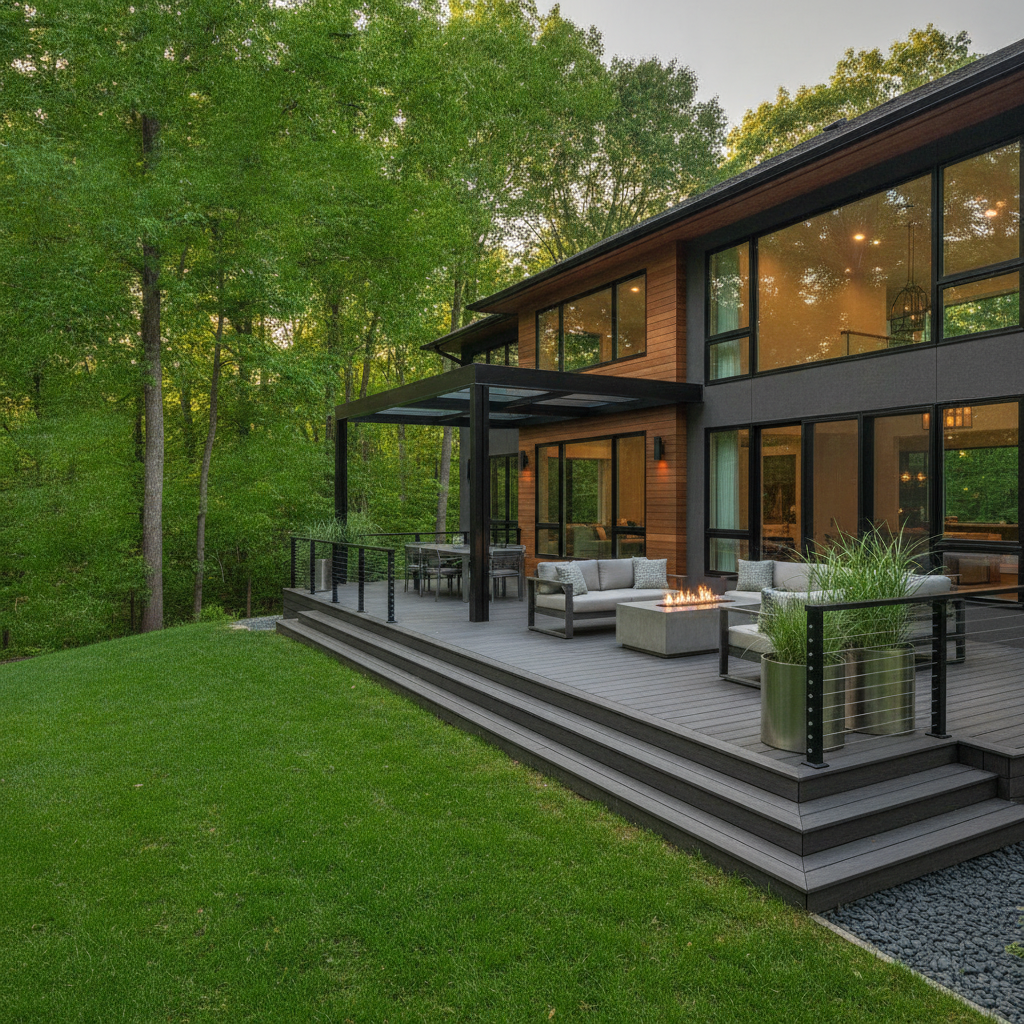
When it comes to enhancing your outdoor space, few projects are as rewarding as adding a deck. Whether you’re a small business owner looking to create an inviting patio for customers, a developer planning new builds, or a homeowner dreaming of summer barbecues, choosing the right deck material is a crucial decision. The debate between wood and composite decking is especially important for residents in this community, where weather, maintenance, and aesthetics all play a significant role. In this guide, we’ll explore the pros and cons of wood and composite decks, compare costs, longevity, and maintenance, and help you decide which is the best fit for your needs. We’ll also highlight what to look for in a deck builder and why the right choice can make all the difference. If you’re searching for a reliable deck builder Syracuse NY, this article will give you the insights you need to make an informed decision and enjoy your new deck for years to come.
Choosing a Deck Builder in Syracuse
Selecting the right deck builder Syracuse NY is the first step toward a successful outdoor project. The area’s climate, with its cold winters and humid summers, means you need a professional who understands local conditions and can recommend suitable materials. When researching deck builders, look for companies with a strong portfolio, positive customer reviews, and experience with both wood and composite installations. Ask about their process, warranties, and how they handle permits and inspections. A reputable builder will guide you through design options and help you weigh the pros and cons of each material based on your budget and lifestyle. For those seeking a trusted partner in this community, Performance Local stands out for its expertise and customer-focused approach. Working with a knowledgeable deck builder ensures your project is completed on time, within budget, and to the highest standards, so you can enjoy your outdoor space with confidence.
Deck Builder Syracuse NY: Material Comparisons
When planning a new deck, one of the biggest decisions is choosing between wood and composite materials. Each option offers distinct benefits and considerations. Traditional wood decks, often made from pressure-treated pine, cedar, or redwood, are valued for their natural beauty and classic appeal. They can be stained or painted to match any style and are generally less expensive upfront. However, wood is susceptible to weathering, rot, and insect damage, especially in areas with fluctuating temperatures and moisture. On the other hand, composite decking is made from a blend of wood fibers and recycled plastics, creating a durable, low-maintenance alternative. Composite boards resist fading, staining, and warping, making them ideal for busy property owners who want long-lasting results without constant upkeep. The initial investment for composite is higher, but many find the reduced maintenance and longer lifespan worth the extra cost. Understanding these differences is key when working with a deck builder Syracuse NY, as the right material choice will impact your deck’s appearance, maintenance, and value for years to come.
Deck Builder Syracuse New York: Climate Considerations
The region’s climate plays a significant role in deck material performance. Winters bring snow, ice, and freezing temperatures, while summers can be hot and humid. Wood decks are particularly vulnerable to these extremes, as moisture can cause swelling, warping, and eventual rot. Regular sealing and staining are required to protect wood from the elements, and even with diligent care, boards may need replacing over time. Composite decking, in contrast, is engineered to withstand harsh weather. Its moisture-resistant core prevents water absorption, reducing the risk of warping or splitting. Composite surfaces are also less likely to become slippery when wet, making them safer for families and businesses. For those living in this city, considering how each material will handle seasonal changes is crucial. A knowledgeable deck builder can help you choose products designed for the area’s unique weather patterns, ensuring your deck remains beautiful and functional year-round.
Cost Breakdown: Wood vs Composite Decks
Budget is a primary concern for most property owners. Wood decks are typically less expensive to install, with pressure-treated lumber offering the most affordable option. However, the initial savings may be offset by ongoing maintenance costs. Wood requires regular sealing, staining, and occasional repairs to address splinters, cracks, or rot. Over a decade, these expenses can add up, making wood less cost-effective in the long run. Composite decking has a higher upfront price, but its durability and low maintenance often result in lower lifetime costs. Composite boards rarely need more than occasional cleaning with soap and water, and they resist common issues like fading and insect damage. When comparing costs, factor in both the installation price and the anticipated maintenance over the deck’s lifespan. This comprehensive view will help you make a smart investment that meets your needs and budget.
Maintenance Requirements: What to Expect
Maintenance is a major consideration when choosing between wood and composite decks. Wood requires annual or biannual treatments to maintain its appearance and structural integrity. This includes cleaning, sanding, staining, and sealing, which can be time-consuming and costly if you hire professionals. Neglecting maintenance can lead to splintering, warping, or even structural failure. Composite decking, by contrast, is designed for minimal upkeep. Most products only require occasional washing to remove dirt and debris. There’s no need to stain or seal composite boards, and they’re less likely to develop mold or mildew. For busy business owners and homeowners, the reduced maintenance of composite can be a significant advantage. However, it’s still important to follow manufacturer guidelines to keep your deck looking its best. Understanding the maintenance demands of each material will help you choose the right option for your lifestyle and ensure your deck remains a source of pride for years to come.
Durability and Longevity: Which Lasts Longer?
Durability is a top priority for anyone investing in a new deck. Wood decks, when properly maintained, can last 10 to 15 years, with premium hardwoods sometimes reaching 20 years. However, exposure to moisture, insects, and UV rays can shorten their lifespan. Composite decking is engineered to last, with many manufacturers offering warranties of 25 years or more. Composite boards resist rot, insect damage, and fading, making them a smart choice for those seeking a long-term solution. While no material is completely maintenance-free, composite’s resilience to the elements means fewer repairs and replacements over time. For property owners in this region, investing in a durable deck material can save money and hassle in the long run. Discussing your expectations with a professional deck builder will help you select the right product for your needs and ensure your investment stands the test of time.
Aesthetics and Design Flexibility
The look and feel of your deck are just as important as its function. Wood offers a timeless, natural appearance that many people love. It can be stained or painted in a wide range of colors, allowing for complete customization. Wood’s unique grain patterns add character and warmth to any outdoor space. Composite decking has come a long way in recent years, with manufacturers offering a variety of colors, textures, and finishes that mimic the look of real wood. Some composites even feature multi-tonal boards and embossed grain patterns for added realism. Composite’s consistent appearance and resistance to fading mean your deck will look great for years with minimal effort. Both materials offer design flexibility, but composite may be the better choice for those seeking a specific look with less maintenance. Consider your style preferences and how each material will complement your property’s architecture when making your decision.
Environmental Impact: Sustainability Matters
Sustainability is an increasingly important factor for many property owners. Wood is a renewable resource, but its environmental impact depends on how it’s harvested and treated. Look for wood certified by organizations like the Forest Stewardship Council (FSC) to ensure responsible sourcing. Pressure-treated wood often contains chemicals to resist rot and insects, which can be a concern for those seeking eco-friendly options. Composite decking is made from recycled materials, including plastic bags and wood scraps, reducing waste and the demand for virgin resources. Many manufacturers prioritize sustainable production practices and offer products that are fully recyclable at the end of their lifespan. However, composites are not biodegradable, and their manufacturing process can be energy-intensive. Weighing the environmental pros and cons of each material can help you make a choice that aligns with your values and supports a greener future for the community.
Comparing Features: Wood vs Composite Decks
| Feature | Wood Deck | Composite Deck |
|---|---|---|
| Initial Cost | Lower | Higher |
| Maintenance | High (sealing, staining) | Low (occasional cleaning) |
| Lifespan | 10–15 years | 25+ years |
| Appearance | Natural, customizable | Consistent, wood-like |
| Environmental Impact | Renewable, varies by source | Recycled content |
This table provides a side-by-side comparison of key features to help you evaluate which deck material best suits your needs. Consider your priorities, such as budget, maintenance, and environmental impact, when making your decision. Consulting with a local deck builder can provide additional insights tailored to your property and preferences.
Safety and Comfort for Your Deck
Safety is a top concern for both residential and commercial decks. Wood decks can become slippery when wet and may develop splinters over time, posing a risk to bare feet and children. Regular maintenance, such as sanding and sealing, can help reduce these hazards but requires ongoing effort. Composite decking is designed with safety in mind. Many products feature textured surfaces that provide superior traction, even in wet conditions. Composites are also splinter-free, making them a comfortable choice for families and businesses that host outdoor events. Additionally, composite boards tend to stay cooler underfoot during hot summer days, enhancing comfort for everyone. When planning your deck, discuss safety features with your builder and consider how each material will perform in your specific environment. Prioritizing safety and comfort will ensure your deck is a welcoming space for years to come.
Resale Value and Curb Appeal
A well-designed deck can significantly enhance your property’s curb appeal and resale value. Potential buyers are often drawn to outdoor living spaces that are attractive, functional, and low-maintenance. Wood decks offer a classic look that appeals to many, but buyers may be wary of the maintenance involved. Composite decks, with their durability and minimal upkeep, are increasingly popular among buyers seeking hassle-free outdoor spaces. Investing in high-quality materials and professional installation can yield a strong return, especially in competitive real estate markets. When planning your project, consider how your deck will complement your property’s architecture and landscaping. A deck that blends seamlessly with its surroundings and offers long-term value will be a selling point for years to come. Consulting with a local deck builder can help you design a space that maximizes both enjoyment and resale potential.
Final Thoughts
Choosing between a wood or composite deck is a significant decision that impacts your property’s value, aesthetics, and maintenance needs. Both materials have unique advantages, and the best choice depends on your budget, lifestyle, and long-term goals. Wood offers natural beauty and customization, while composite provides durability and low upkeep. Working with an experienced deck builder Syracuse NY ensures your project is tailored to the region’s climate and your personal preferences. Take the time to weigh your options, consult with professionals, and invest in a deck that will bring enjoyment and value for years to come. Whether you prioritize classic charm or modern convenience, the right deck can transform your outdoor space into a true extension of your home or business.